Dry cleaning and washing are two common methods for cleaning clothes, but they differ significantly in their approach and effects. Dry cleaning is a chemical cleaning process that uses solvents to remove stains without using water. This is the ideal choice for delicate fabrics and garments with complex details, as it minimizes the chance of shrinkage and distortion.
On the other hand, washing is a water-based cleaning method that uses detergents to remove stains. It is suitable for most everyday clothing, but you should be careful with delicate fabrics and special garments, as washing can damage or shrink the fibers.

This stain guide will help you identify different types of stains and the correct steps to effectively remove them, whether you opt for dry cleaning or washing. By following our expert advice, you ensure that your clothes always look impeccable, regardless of the challenges of daily life.
Discover our concise tips and learn how to tackle stains and keep your clothes in optimal condition. Your wardrobe deserves nothing less than the best care, and we are here to guide you on your journey to spotless clothing.
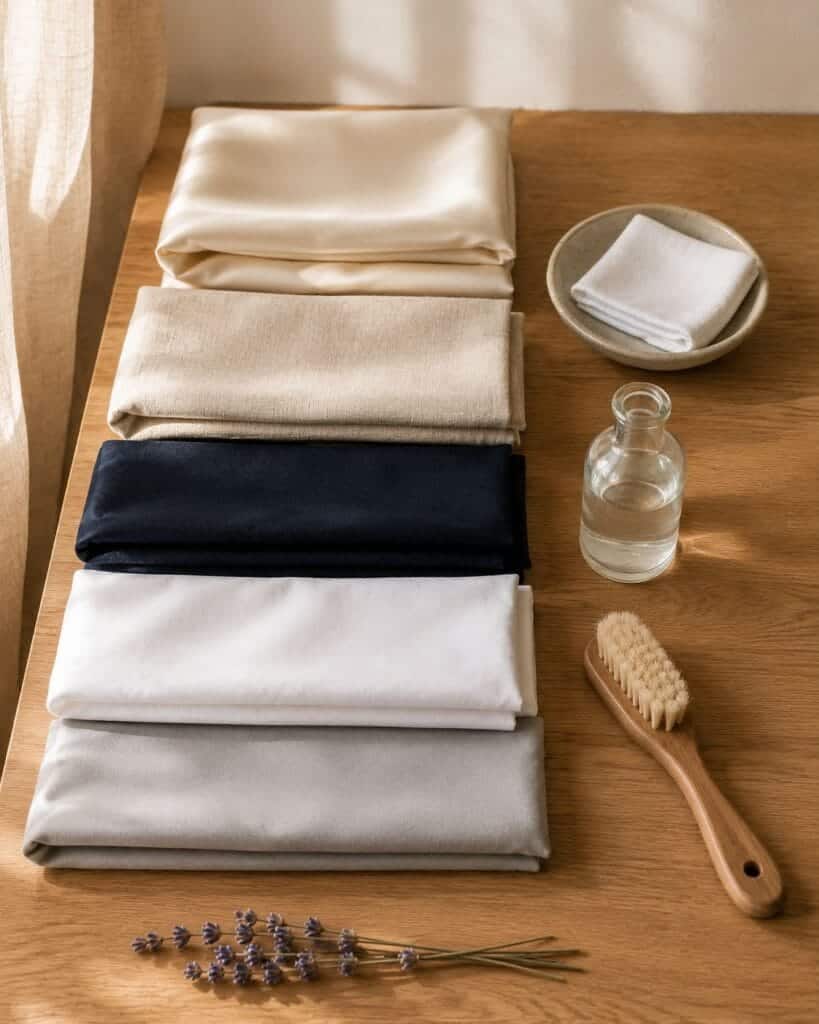
Welcome to our concise stain guide, your essential tool for maintaining impeccable clothing and textiles. Whether you are a seasoned fashion-conscious professional or simply looking for ways to combat those inevitable stains, we have gathered the most effective and professional tips to keep your clothing in top condition.
It is essential to understand that stain treatment depends on several factors, including the type of stain and the material of your clothing. One of the most important decisions you need to make is whether to opt for dry cleaning or washing. The difference between these two methods can be decisive for preserving your clothing.
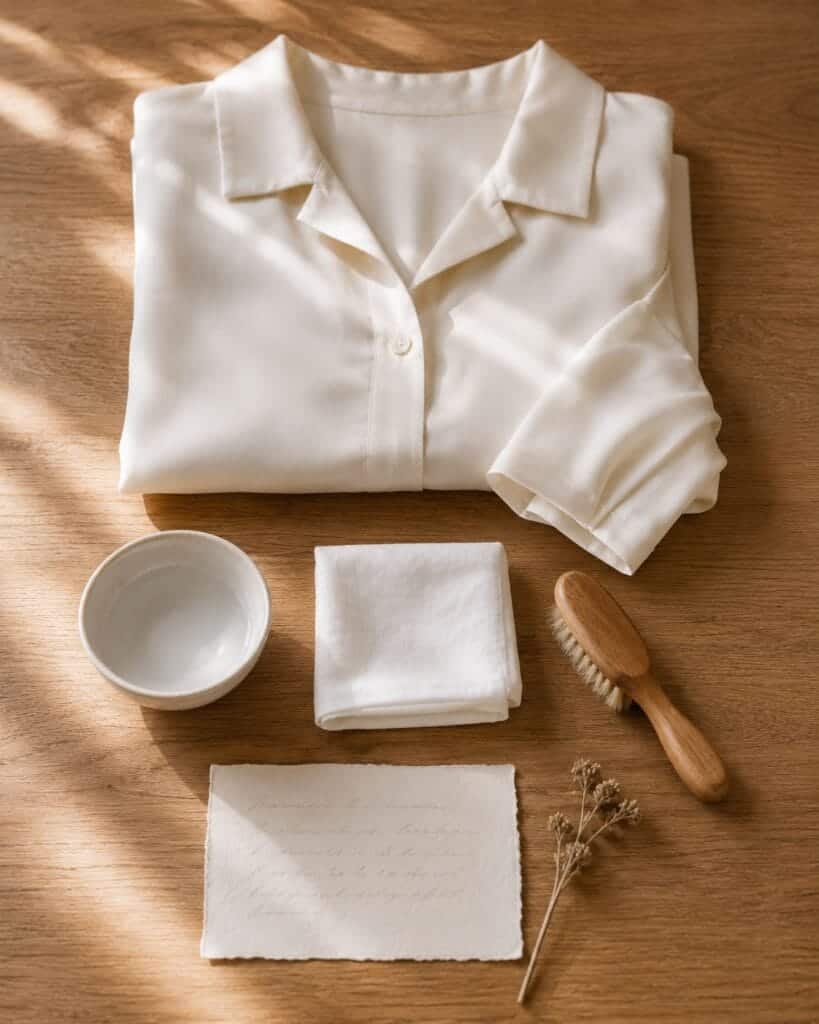

Rubbing stains, such as red wine on a white blouse, ink on a shirt, blood on pants, grass stains on sportswear, grease stains on a work shirt, or oily substances like mayonnaise or butter on delicate fabrics such as silk, linen, cotton, or polyester, can push the stain further into the fibers and complicate the removal process. Gently dab the excess liquid with a clean cloth or paper towel.
Be sure to read our blog debunking the myths about red wine stains.
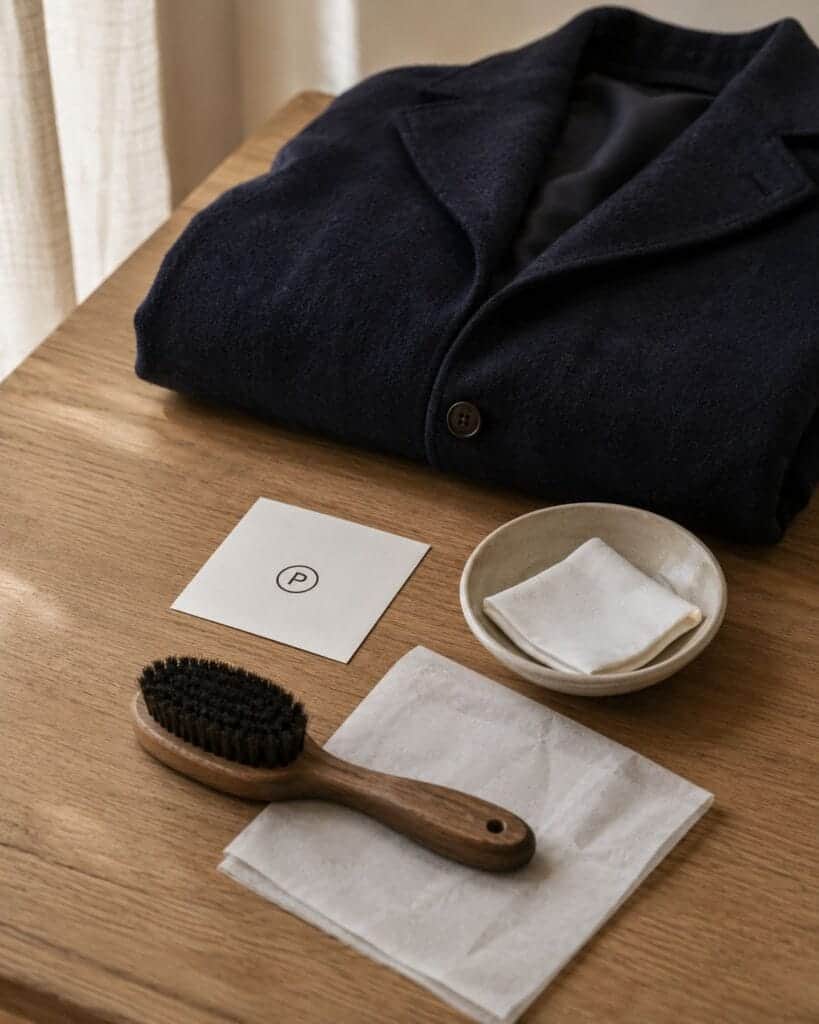
It is essential to always consult the composition and care labels of clothing and upholstery before applying any cleaning method. Different stains require specific treatments depending on their origin and the composition of the fabric. Delay in treating stains can complicate the removal process. It is therefore wise to read the instructions on labels quickly and carefully to avoid permanent damage. In complex or questionable situations, it is advisable to consult professional cleaning services to prevent further damage.
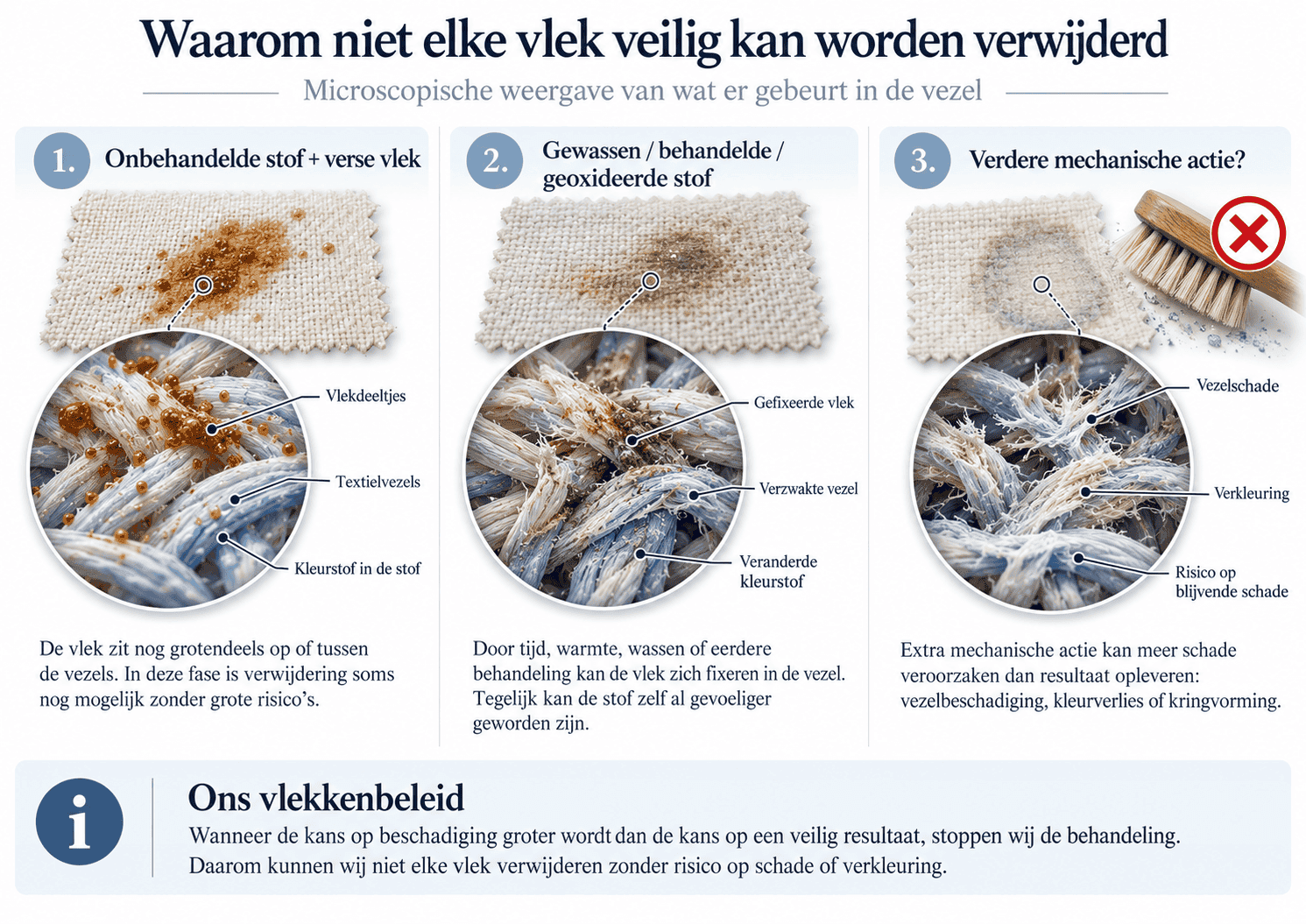
Stain removal is not an exact science, and its success can vary depending on several factors, such as the nature of the stain, the type of material, the age of the stain, previous treatments, and external conditions. While there are various methods and products that can help remove stains, there may be instances where the stain cannot be completely removed or where the treatment may damage the material.
It is important to note that Opuro cannot be held responsible for any damage or inability to remove a stain. The information and suggestions provided by Opuro are based on general knowledge and experience, but each situation may be unique and may require professional intervention.
If you choose to remove a stain yourself, please keep in mind that this can significantly reduce the chances of a successful dry cleaning treatment. Incorrect treatments can rub the stain further into the material or cause permanent damage, making it more difficult for Opuro's dry cleaning services to remove the stain.
For stubborn stains, it is strongly recommended to seek the assistance of a stain removal specialist. They possess the expertise, experience, and appropriate cleaning agents to treat stains safely and effectively. Rely on their professional assessment and advice to achieve the best possible outcome.
By using the information and suggestions provided by Opuro, you agree that Opuro cannot be held liable for any damage, loss, or inability to remove stains. Please exercise caution and always consult an expert for complex stains or valuable materials.
Ecological dry cleaning